What is Conversion Tracking?
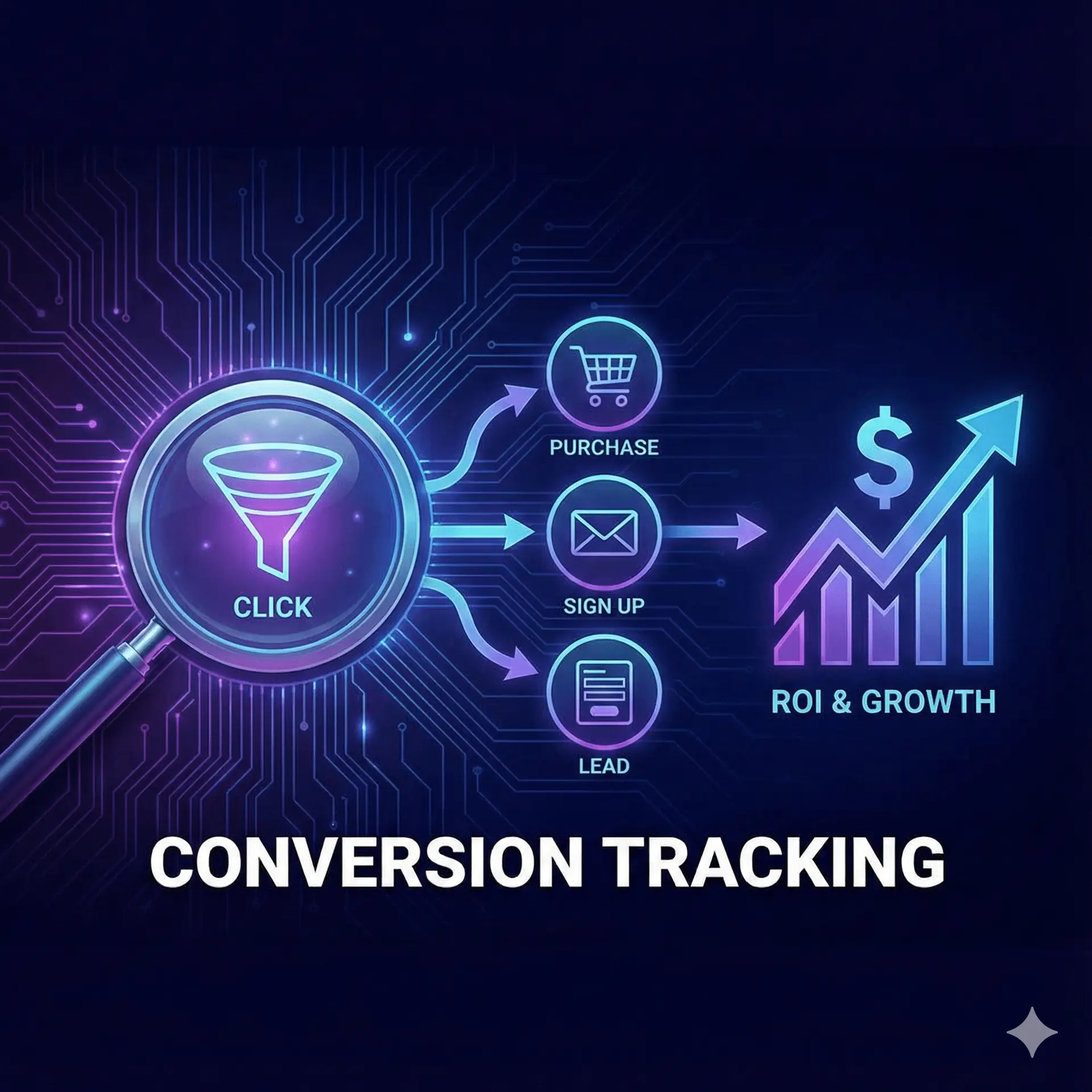
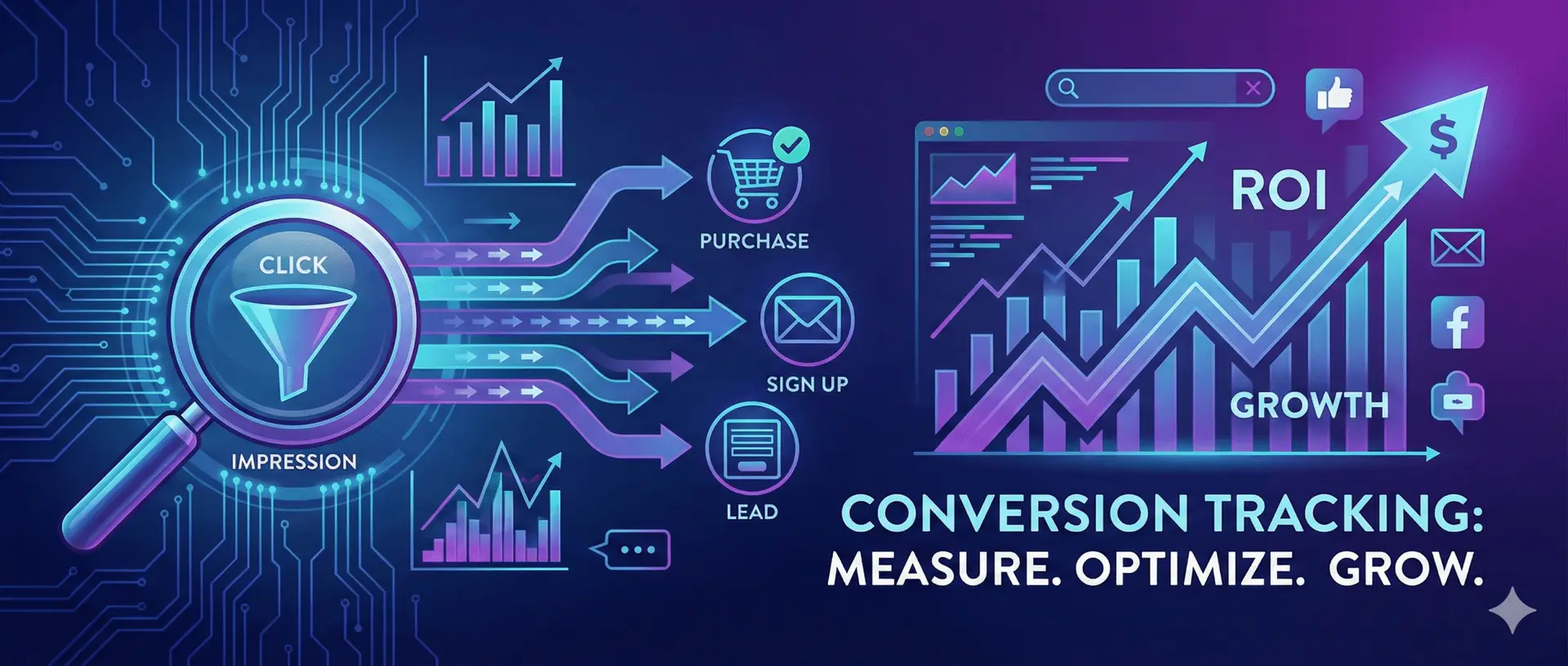
Conversion tracking refers to the process of monitoring and analyzing the actions that users take after interacting with your advertisement. This could include various actions such as making a purchase, signing up for a newsletter, or filling out a contact form. By tracking these conversions, businesses can gain valuable insights into the performance of their advertising efforts.
Why is Conversion Tracking Important?
- Measuring ROI: At the heart of any advertising campaign is the need to understand return on investment (ROI). Conversion tracking enables businesses to see which ads generate sales or leads, allowing them to allocate their budget more effectively. By knowing which campaigns are successful, companies can focus their resources on what works.
- Optimizing Campaigns: Digital advertising is not a one-size-fits-all approach. Conversion tracking provides data that can be used to refine and optimize campaigns. For instance, if certain ads are converting better than others, advertisers can analyze the differences in targeting, messaging, or creative elements to improve overall performance.
- Understanding Customer Behavior: Conversion tracking also offers insights into customer behavior. By analyzing the paths users take before converting, businesses can identify which channels are most effective and adjust their strategies accordingly. This understanding helps in tailoring future campaigns to better meet customer needs.
- Enhancing Targeting: With detailed conversion data, advertisers can enhance their targeting strategies. For example, if specific demographics or interests are shown to convert at higher rates, businesses can adjust their targeting settings to focus on these groups, leading to more efficient ad spend.
- Attributing Success to Specific Campaigns: In the digital advertising ecosystem, multiple touchpoints often lead to a conversion. Conversion tracking allows businesses to attribute success to specific campaigns or channels, whether it be paid search, social media, or email marketing. This attribution is vital for understanding the overall effectiveness of multi-channel strategies.
Conclusion
In conclusion, conversion tracking is an essential element of digital advertising that allows businesses to measure success, optimize campaigns, understand customer behavior, enhance targeting, and attribute conversions accurately. As the digital landscape continues to grow, leveraging conversion tracking will be key to staying competitive and achieving advertising goals. Investing in this practice not only helps improve immediate campaign performance but also builds a foundation for long-term success in digital marketing.
By prioritizing conversion tracking, businesses can make informed decisions that drive growth and maximize their advertising investments.